
Immunosuppressants are essential in ophthalmology for controlling immune-mediated ocular diseases and preventing graft rejection after corneal transplantation. The immune system normally protects the body from harmful foreign molecules. However, in transplantation and autoimmune eye disorders, immune activation can damage healthy ocular tissues. Modern immunosuppressive therapy focuses on selectively altering lymphocyte function, particularly T-cell activation, while minimizing systemic toxicity.
The immune activation cascade follows a three-signal model:
Signal 1: Antigen recognition at the CD3 receptor complex on T cells
Signal 2: Costimulation via CD80/CD86 on antigen-presenting cells binding to CD28
Signal 3: IL-2–mediated T-cell proliferation through mTOR activation
Immunosuppressive drugs act by interfering with cytokine production, blocking T-cell proliferation, or targeting immune surface proteins with antibodies.
I. Selective Inhibitors of Cytokine Production and Function
These drugs primarily reduce IL-2 production or action, thereby suppressing T-cell activation.
1. Cyclosporine

Ophthalmic Uses
Moderate to severe dry eye disease
Vernal and atopic keratoconjunctivitis
Prevention of corneal graft rejection
Steroid-sparing therapy in chronic ocular inflammation
Key Points
Available as topical ophthalmic emulsion
Minimal systemic absorption in eye use
Burning sensation is common initially
Long-term therapy improves tear production
Adverse Effects (Systemic Use)
Nephrotoxicity (dose dependent)
Hypertension and hyperlipidemia
Gingival hyperplasia and hirsutism
2. Tacrolimus
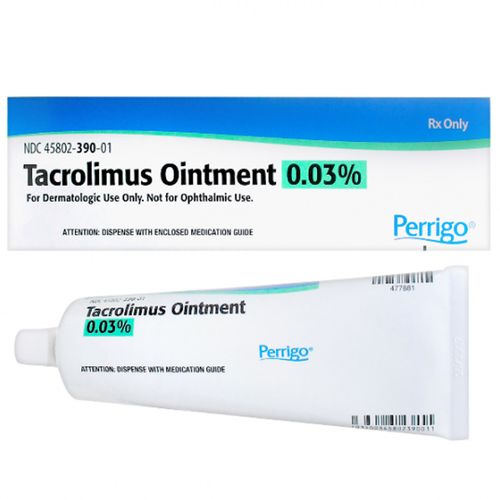
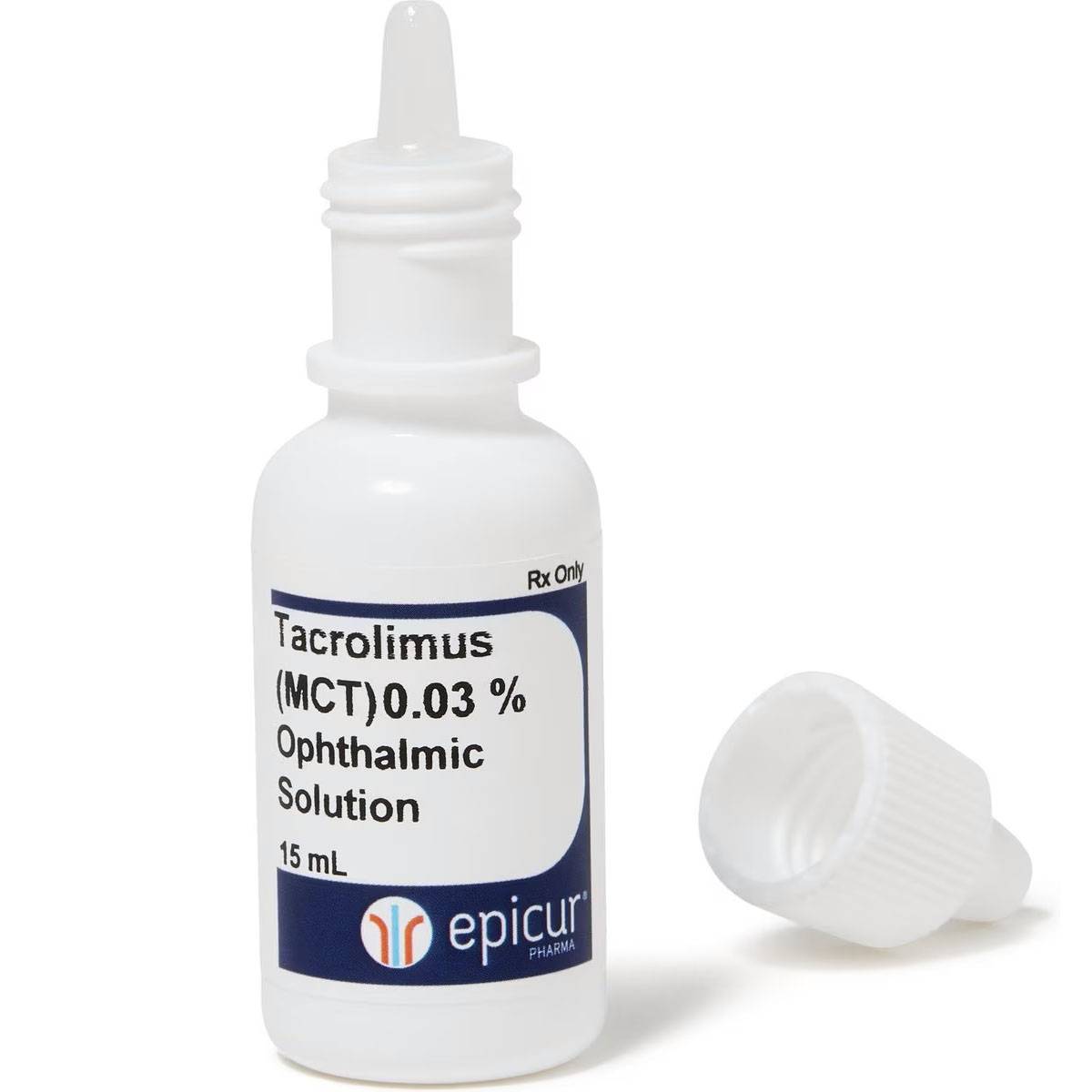
Tacrolimus is another calcineurin inhibitor but more potent than cyclosporine. It binds to FK-binding protein (FKBP-12) and inhibits calcineurin, leading to decreased IL-2 production and reduced T-cell activation.
Ophthalmic Uses
Severe vernal keratoconjunctivitis
Atopic keratoconjunctivitis
Steroid-resistant anterior uveitis
Ocular surface autoimmune disease
Key Points
Used as topical ointment or compounded drops
Strong steroid-sparing effect
Preferred in refractory allergic eye disease
Adverse Effects
Neurotoxicity (systemic use)
Nephrotoxicity
May cause alopecia (unlike cyclosporine)
3. mTOR Inhibitors (Sirolimus & Everolimus)
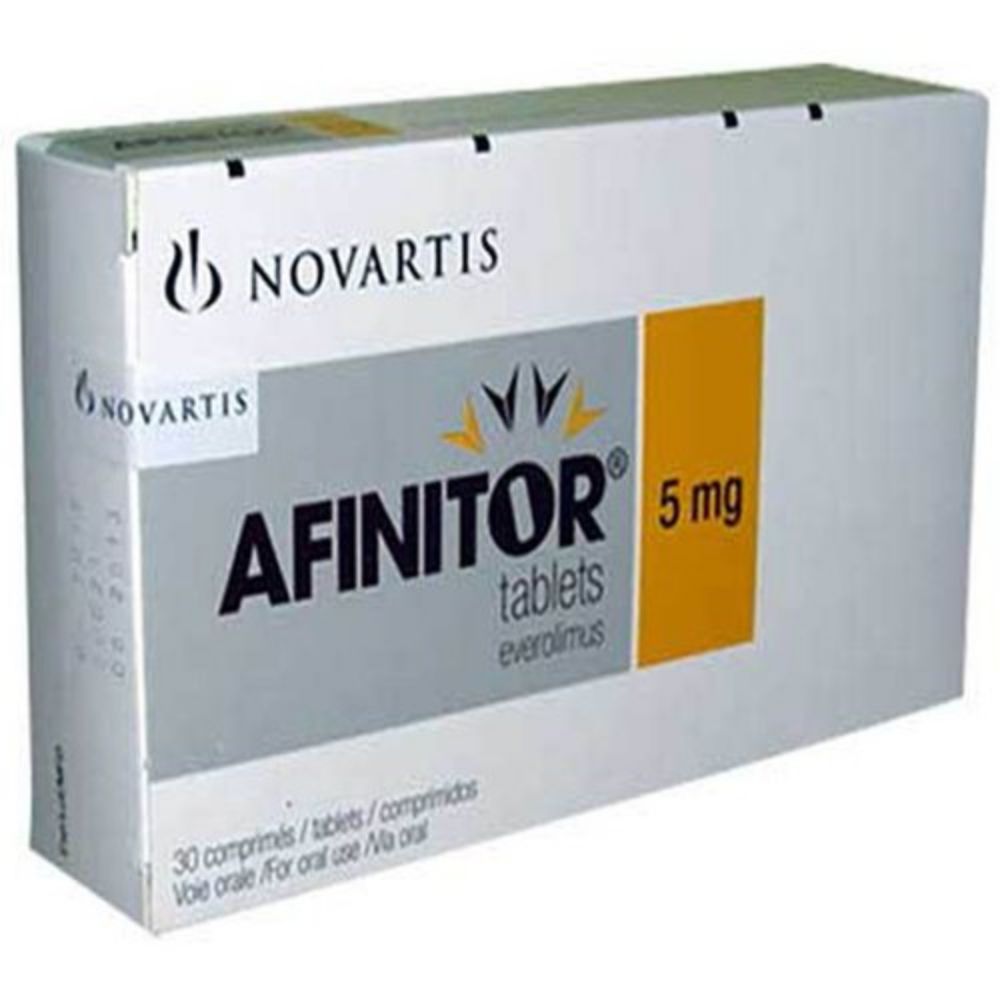
Sirolimus and Everolimus inhibit mTOR (mammalian target of rapamycin), which is responsible for Signal 3 in T-cell activation. Unlike calcineurin inhibitors, these drugs do not reduce IL-2 production but block cellular response to IL-2, preventing progression of T cells from G1 to S phase of the cell cycle.
Ophthalmic Relevance
Severe non-infectious uveitis (systemic therapy)
Refractory ocular inflammatory diseases
Adjunct in high-risk transplant patients
Key Points
Often combined with other immunosuppressants
Long half-life (sirolimus allows once-daily dosing)
Synergistic with calcineurin inhibitors
Adverse Effects
Hyperlipidemia
Delayed wound healing
Leukopenia and thrombocytopenia
4. Costimulation Blocker – Belatacept

Clinical Role
Maintenance immunosuppression in transplant patients
Alternative to calcineurin inhibitors
Key Points
Administered intravenously
Monthly dosing improves compliance
Avoids long-term nephrotoxicity of calcineurin inhibitors
Major Risk
Increased risk of post-transplant lymphoproliferative disorder
II. Immunosuppressive Antimetabolites
These agents inhibit lymphocyte proliferation by blocking purine synthesis.
5. Azathioprine

Ophthalmic Uses
Chronic uveitis
Ocular cicatricial pemphigoid
Severe scleritis
Key Points
Used as steroid-sparing agent
Requires blood count monitoring
Dose reduction needed with allopurinol
Major Toxicity
Bone marrow suppression
6. Mycophenolate Mofetil

Ophthalmic Uses
Non-infectious uveitis
Posterior uveitis
Autoimmune ocular inflammation
Key Points
Better safety profile than azathioprine
Rapid oral absorption
Often replaces azathioprine in modern therapy
Adverse Effects
Gastrointestinal upset (diarrhea, nausea)
Increased risk of CMV infection at high doses
III. Monoclonal and Polyclonal Antibodies
These drugs target specific immune surface proteins to suppress T-cell activity.
7. Antithymocyte Globulin (ATG)

Antithymocyte globulin consists of polyclonal antibodies directed against T lymphocytes. It causes complement-mediated destruction and apoptosis of T cells, resulting in lymphopenia.
Uses
Severe graft rejection
Steroid-resistant rejection episodes
Adverse Effects
Fever and chills
Leukopenia
Increased infection risk
8. Basiliximab
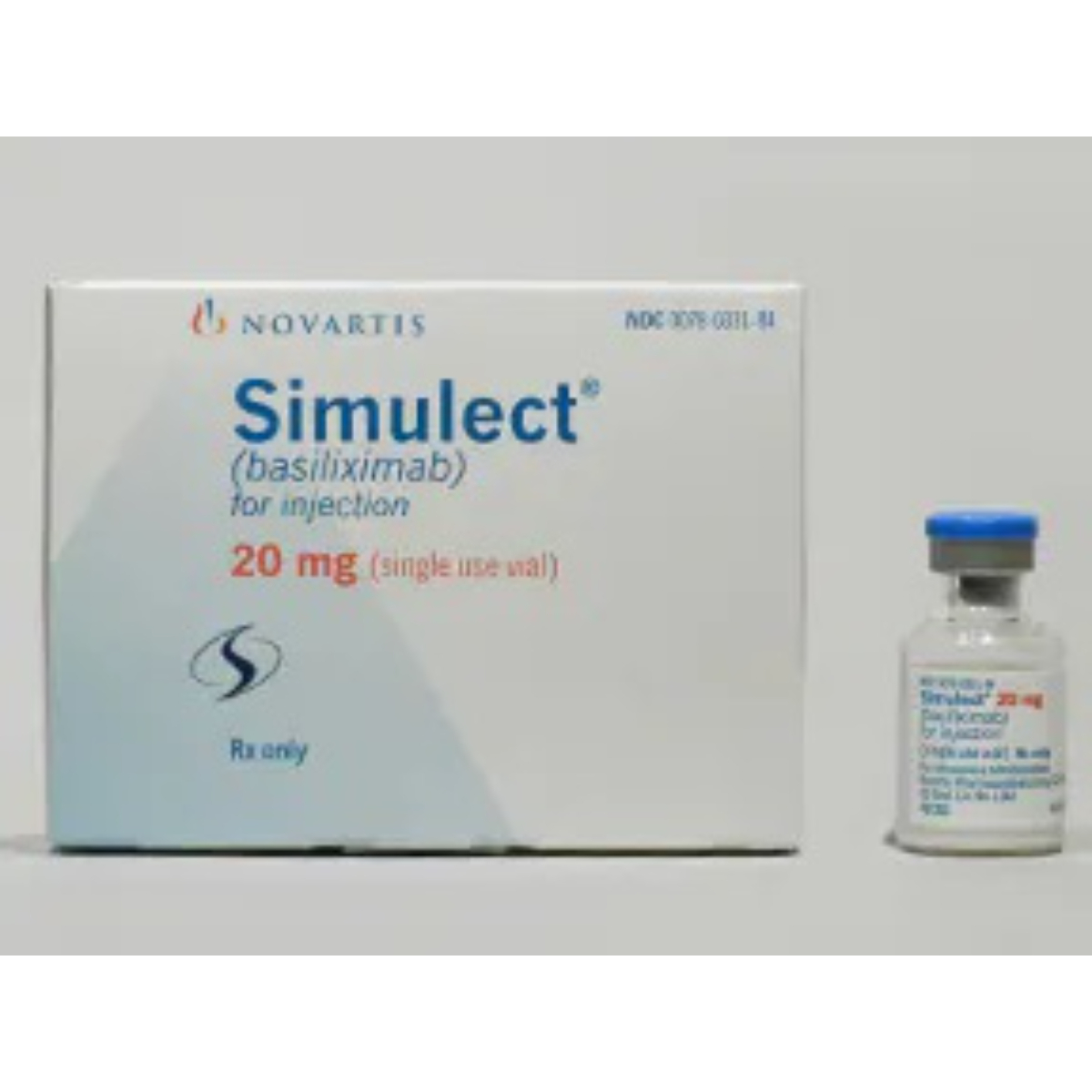
Basiliximab is a chimeric monoclonal antibody targeting CD25 (IL-2 receptor α-chain). By blocking IL-2 binding, it prevents T-cell proliferation.
Clinical Role
Prophylaxis of acute rejection
Combined with other immunosuppressive agents
Key Points
IV administration
Two-dose regimen
Generally well tolerated
IV. Corticosteroids in Ophthalmic Immunosuppression
Corticosteroids remain a cornerstone of ocular immunosuppressive therapy. They reduce lymphocyte populations and regulate gene transcription involved in inflammatory responses.
Ophthalmic Uses
Uveitis
Scleritis
Optic neuritis
Post-transplant inflammation
Major Risks (Long-Term Use)
Cataracts
Glaucoma
Hyperglycemia
Hypertension
Osteoporosis (systemic therapy)
Conclusion
Immunosuppressants for ophthalmic use are essential in managing autoimmune eye diseases, chronic uveitis, and corneal transplantation. By targeting different stages of T-cell activation—cytokine production, cell proliferation, or receptor signaling—these drugs provide effective immune control while preserving vision. Combination therapy at lower doses is commonly used to maximize efficacy and minimize toxicity.
All immunosuppressive treatments require careful monitoring to balance therapeutic benefits with potential systemic risks.