
Drugs acting on the skin and mucous membranes are widely used to treat infections, inflammation, allergies, autoimmune disorders, pigmentation abnormalities, acne, and wound conditions. Because the skin and mucosal surfaces serve as protective barriers, topical therapy allows targeted treatment with reduced systemic adverse effects. These drugs may act as anti-inflammatory agents, antimicrobials, keratolytics, immunomodulators, or protective emollients.
I. Topical Anti-Inflammatory Agents
1. Corticosteroids
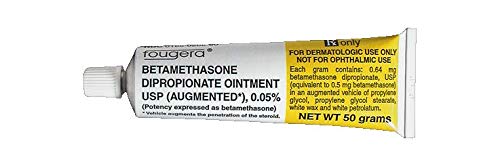
Topical corticosteroids are the most commonly prescribed drugs for inflammatory skin and mucosal disorders. They reduce inflammation by inhibiting phospholipase A2, decreasing prostaglandins, leukotrienes, and cytokine production.
Clinical Uses
Eczema and dermatitis
Psoriasis
Allergic skin reactions
Oral lichen planus (topical application)
Key Points
Classified by potency (mild to super potent)
Ointments are more potent than creams
Long-term use may cause skin atrophy
Adverse Effects
Thinning of skin
Striae
Telangiectasia
Secondary infections
2. Topical Calcineurin Inhibitors (Tacrolimus, Pimecrolimus)
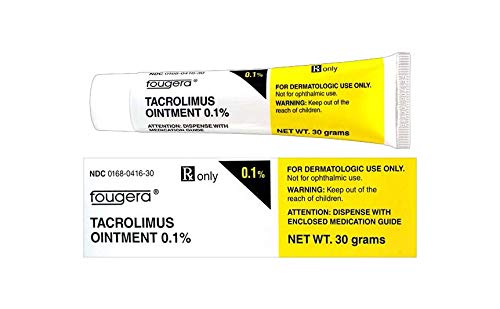
Clinical Uses
Atopic dermatitis
Facial eczema
Mucosal inflammatory disorders
Key Points
Safe for long-term facial use
Do not cause skin atrophy
Burning sensation may occur initially
II. Antimicrobial Agents
3. Topical Antibiotics
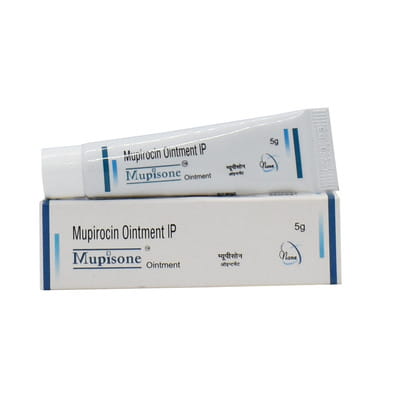
Topical antibiotics inhibit bacterial growth by interfering with protein synthesis or cell wall formation.
Clinical Uses
Impetigo
Minor wound infections
Infected dermatitis
Common Agents
Mupirocin
Fusidic acid
Bacitracin
Key Points
Limited use recommended to prevent resistance
Avoid prolonged application
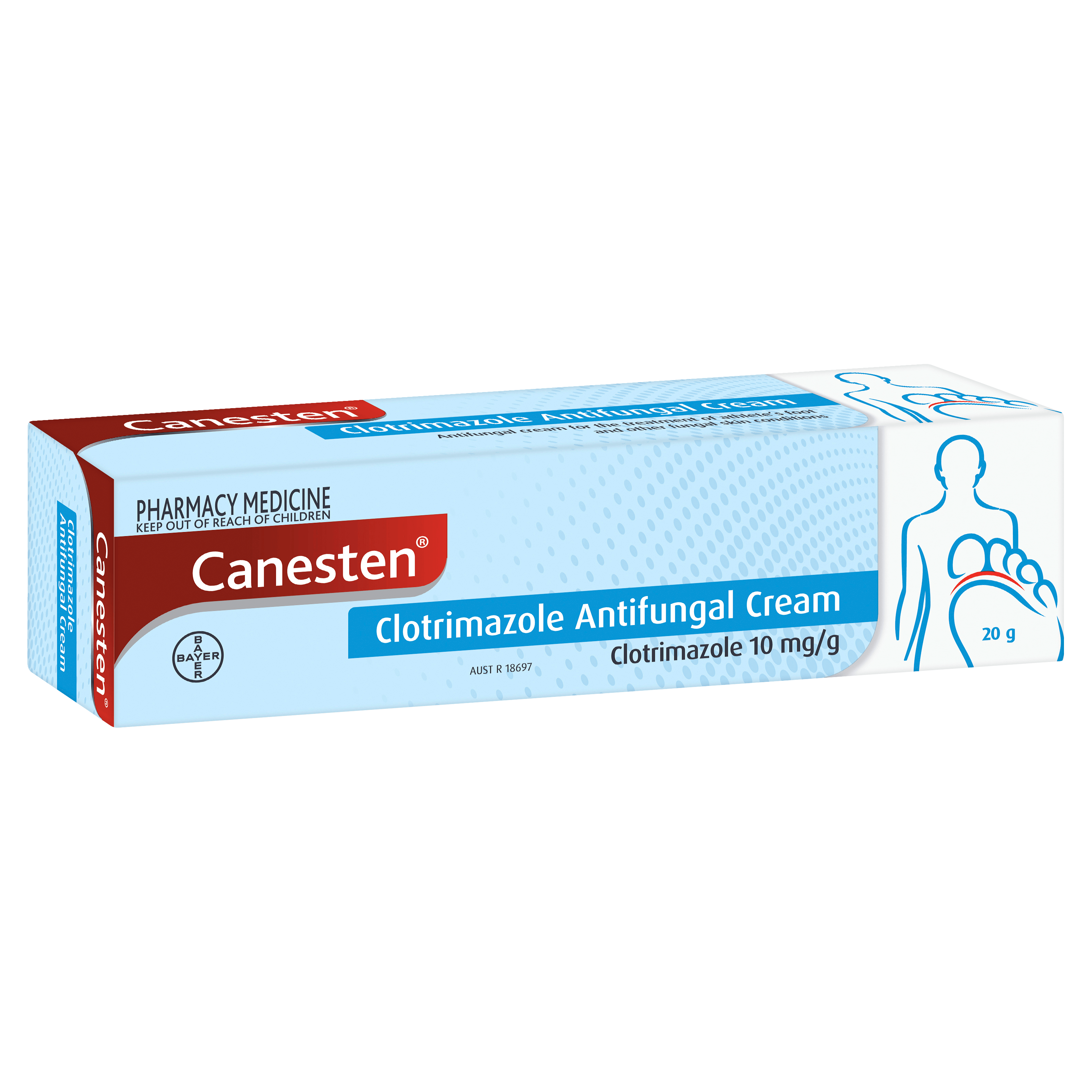
4. Antifungal Agents
Clinical Uses
Dermatophytosis (ringworm)
Candidiasis
Oral thrush
Key Points
Azoles inhibit ergosterol synthesis
Usually applied twice daily
Continue treatment after symptom relief
5. Antiviral Agents

Topical antivirals inhibit viral DNA polymerase, reducing viral replication.
Clinical Uses
Herpes labialis
Genital herpes lesions
Mucocutaneous viral infections
Key Points
Most effective when started early
Shortens duration of lesions
III. Keratolytic and Anti-Psoriatic Agents
6. Salicylic Acid

Salicylic acid softens and removes the outer keratin layer, promoting desquamation.
Clinical Uses
Psoriasis
Warts
Acne
Key Points
Enhances penetration of other topical drugs
Avoid large surface application in children
7. Retinoids (Tretinoin, Adapalene)

Clinical Uses
Acne vulgaris
Photoaging
Hyperpigmentation
Key Points
Apply at night
Causes dryness and irritation initially
Avoid during pregnancy
IV. Agents Affecting Pigmentation
8. Hydroquinone

Hydroquinone inhibits tyrosinase, reducing melanin production.
Clinical Uses
Melasma
Post-inflammatory hyperpigmentation
Key Points
Apply to affected areas only
Sun protection is essential
Long-term use may cause ochronosis
V. Protective and Soothing Agents
9. Emollients and Protectives
Examples
Petroleum jelly
Zinc oxide
Calamine
Clinical Uses
Diaper rash
Minor burns
Dry skin disorders
VI. Drugs Acting on Oral and Other Mucous Membranes
10. Local Anesthetics (Lidocaine Gel)

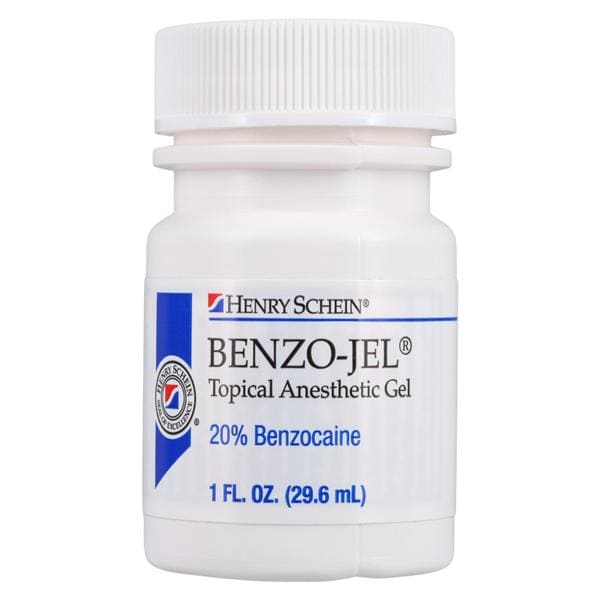
Clinical Uses
Oral ulcers
Painful mucosal lesions
Minor procedures
11. Astringents and Antiseptics

Clinical Uses
Gingivitis
Minor mucosal infections
Wound cleansing
Conclusion
Drugs acting on skin and mucous membranes are essential in dermatology and clinical practice. They provide targeted therapy for infections, inflammation, autoimmune disorders, pigmentation issues, and mucosal conditions. Appropriate drug selection depends on diagnosis, severity, and patient-specific factors. Proper application techniques and monitoring help maximize benefits while minimizing adverse effects.
For best outcomes, topical and mucosal therapies should be used under professional medical guidance.