
Antiseptics and disinfectants are chemical agents used to eliminate or reduce microorganisms on living tissues and inanimate objects. Although both destroy pathogens, antiseptics are applied to skin and mucous membranes, while disinfectants are used on surfaces, instruments, and hospital equipment. These agents are essential for infection control, surgical asepsis, wound care, and prevention of hospital-acquired infections (HAIs).
The effectiveness of these agents depends on concentration, contact time, organic matter presence, and type of microorganism (bacteria, viruses, fungi, spores).
I. Alcohols
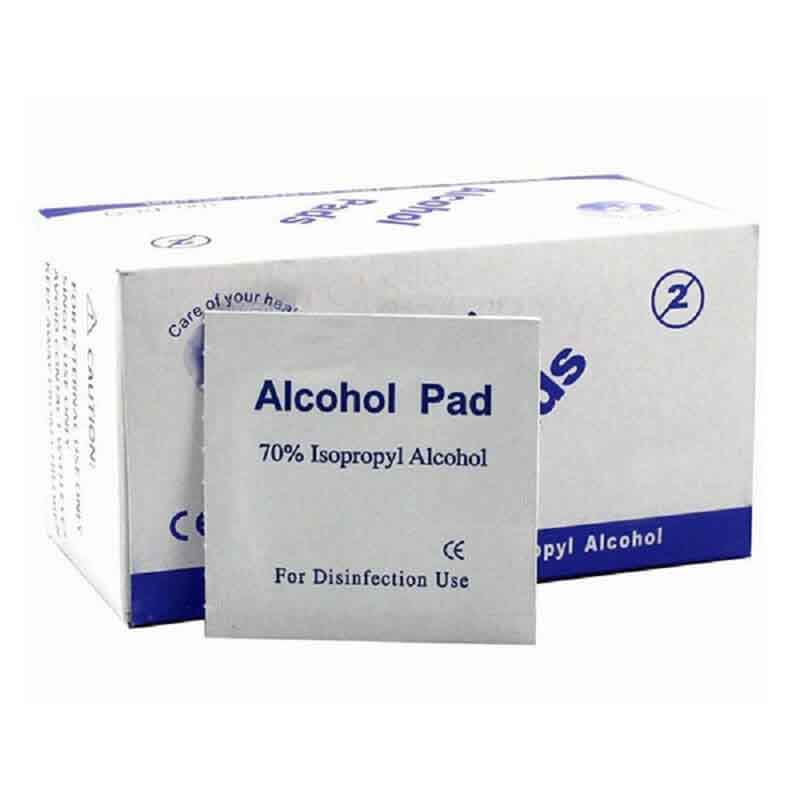
Spectrum of Activity
Effective against gram-positive and gram-negative bacteria
Active against many viruses (including enveloped viruses)
Not effective against spores
Clinical Uses
Pre-injection skin preparation
Hand sanitizers
Minor wound cleaning
Advantages
Rapid action
No residue
Inexpensive
Limitations
Flammable
Inactivated by organic matter
Drying effect on skin
II. Halogens
1. Iodine and Iodophores (Povidone-Iodine)
Spectrum of Activity
Bacteria (including TB)
Viruses
Fungi
Some spores
Clinical Uses
Surgical skin preparation
Wound disinfection
Preoperative antisepsis
Adverse Effects
Skin staining
Hypersensitivity reactions
Rare thyroid dysfunction with prolonged use
2. Chlorine Compounds (Sodium Hypochlorite)
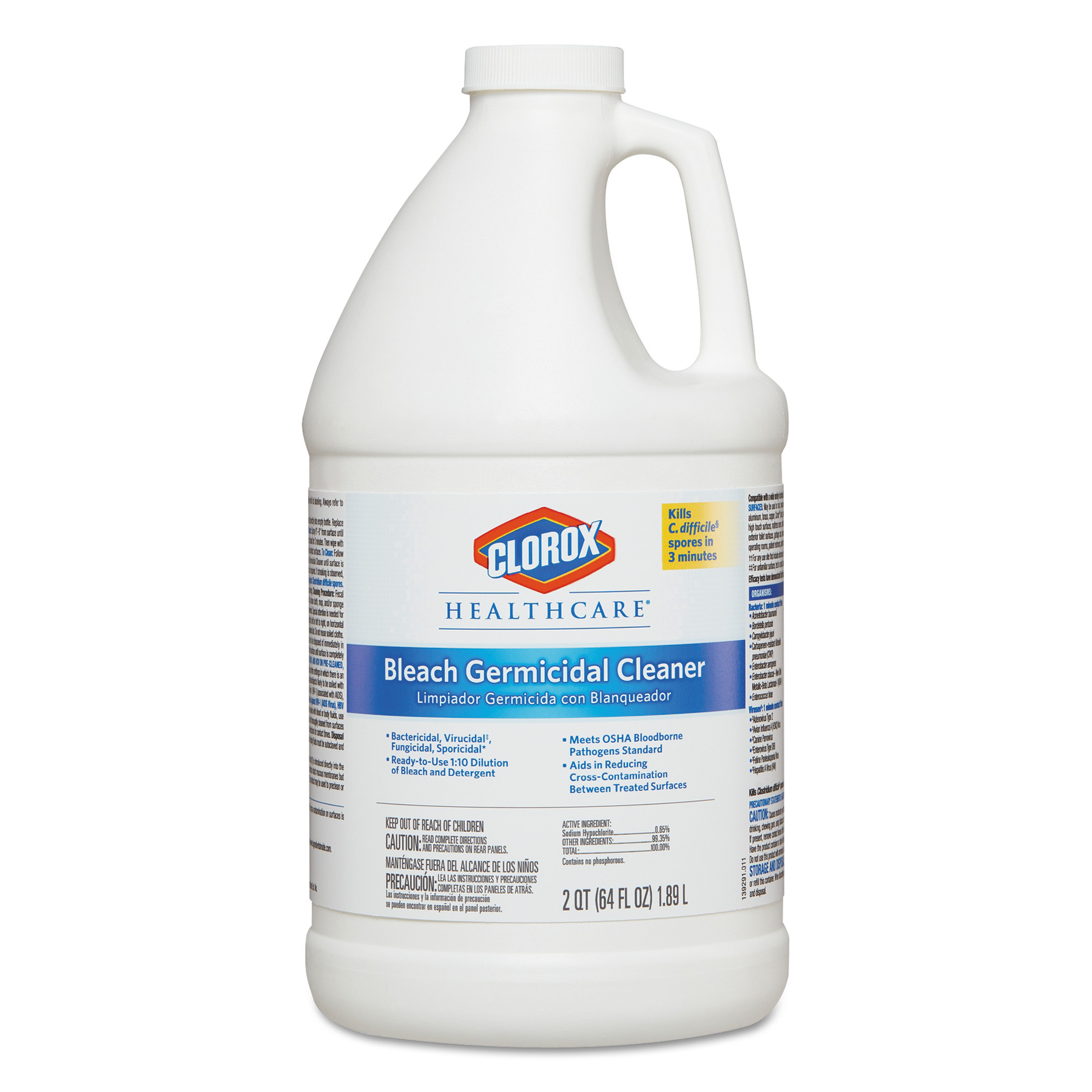
Spectrum
Broad-spectrum bactericidal
Virucidal
Fungicidal
Sporicidal (high concentration)
Uses
Surface disinfection
Blood spill management
Water purification
Limitations
Corrosive to metals
Inactivated by organic matter
Strong odor
III. Biguanides
Chlorhexidine

Spectrum
Strong activity against gram-positive bacteria
Moderate activity against gram-negative bacteria
Limited antiviral activity
Not effective against spores
Clinical Uses
Surgical hand scrubs
Preoperative skin cleansing
Oral mouthwash (gingivitis)
Advantages
Prolonged action
Low systemic absorption
Adverse Effects
Rare allergic reactions
Ototoxic if introduced into middle ear
IV. Oxidizing Agents
Hydrogen Peroxide
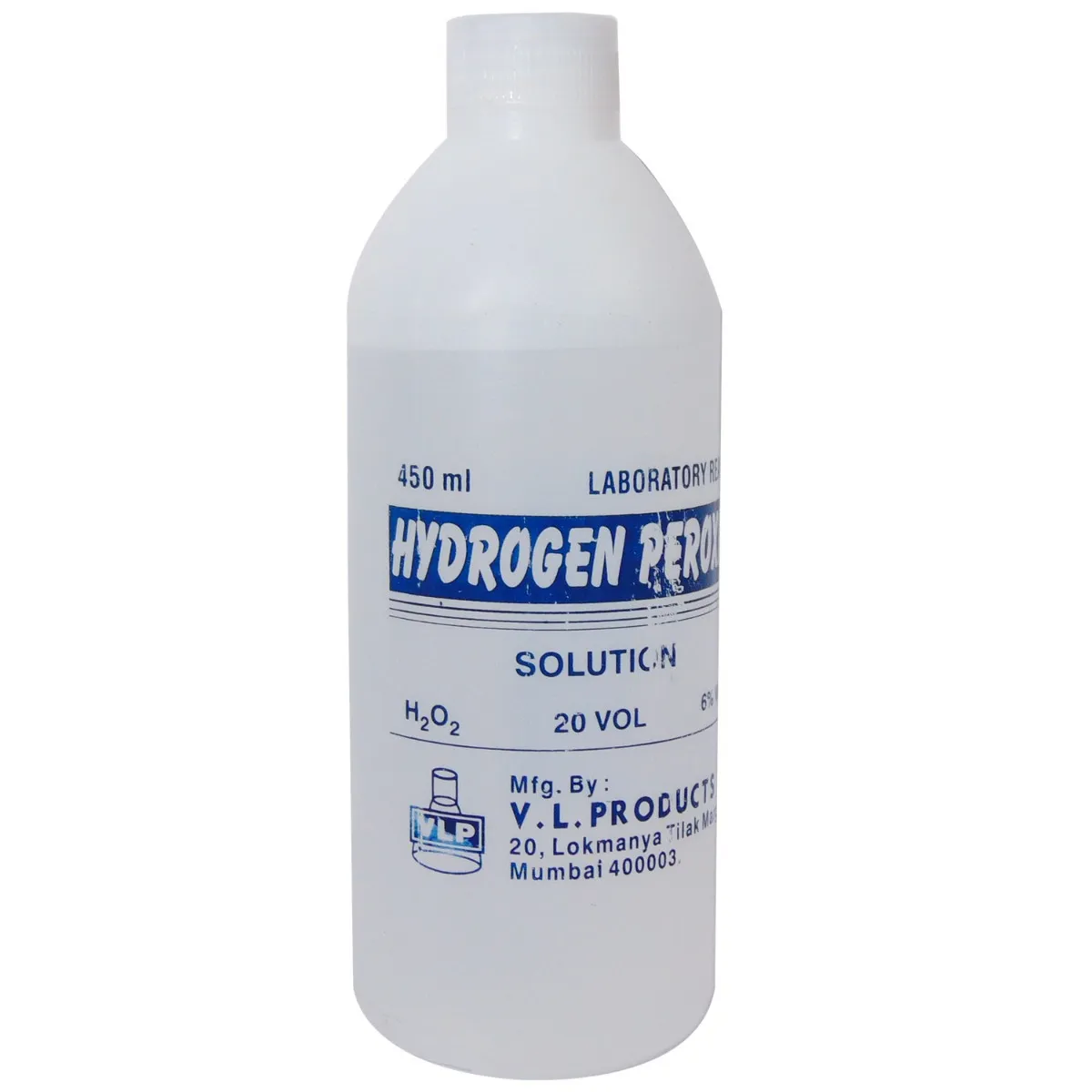
Uses
Wound cleaning
Oral rinses (diluted form)
Surface disinfection (higher concentrations)
Limitations
Weak antiseptic compared to others
May delay wound healing with repeated use
V. Phenolic Compounds
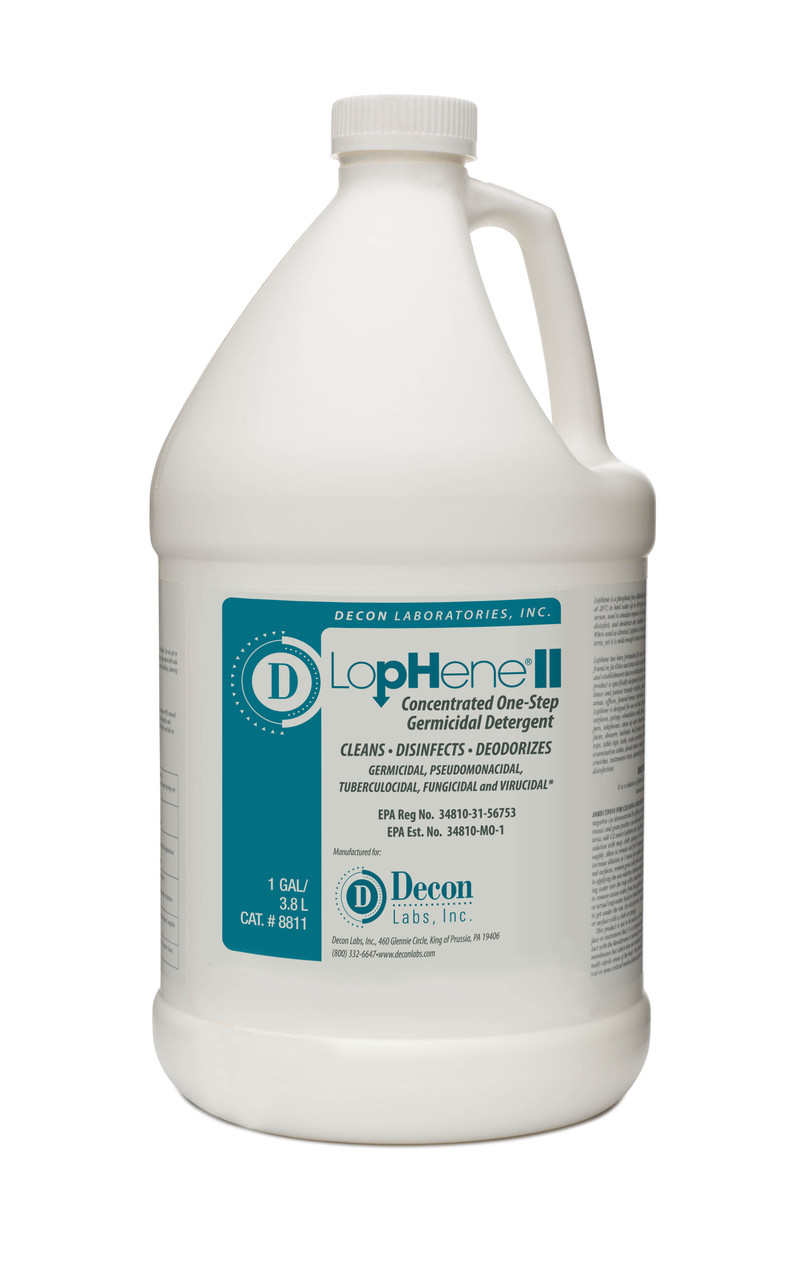
Spectrum
Bactericidal
Fungicidal
Active against some viruses
Uses
Hospital floor cleaning
Surface disinfection
Limitations
Skin irritation
Toxic if absorbed in large amounts
VI. Aldehydes
Glutaraldehyde

Spectrum
Bacteria
Viruses
Fungi
Spores (with prolonged exposure)
Uses
Endoscope sterilization
Heat-sensitive medical instruments
Risks
Toxic vapors
Skin and respiratory irritation
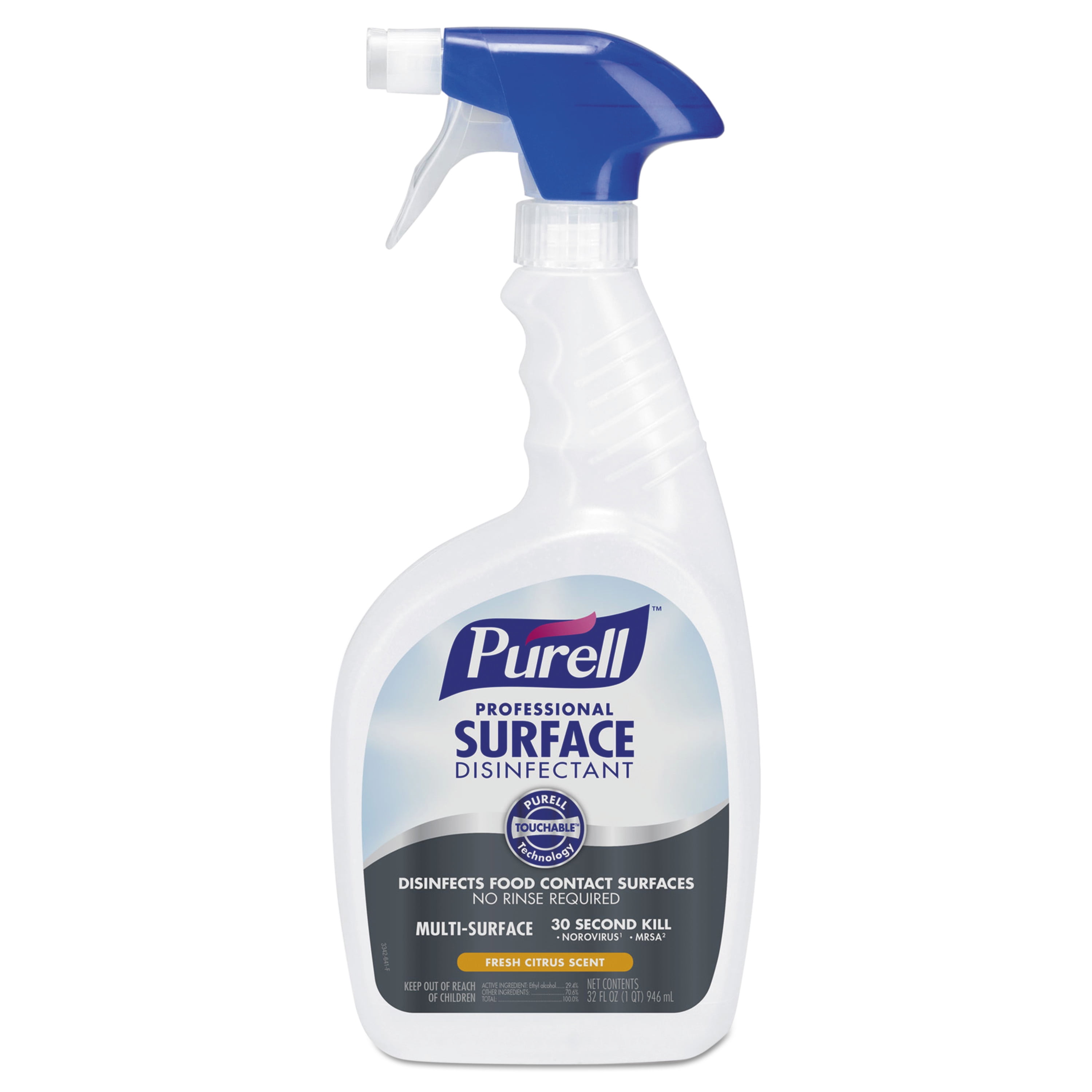
VII. Quaternary Ammonium Compounds (QACs)
Spectrum
Gram-positive bacteria
Some gram-negative bacteria
Limited antiviral activity
Uses
Household disinfectants
Environmental surface cleaning
Limitations
Inactivated by soaps
Ineffective against spores and some viruses
VIII. Heavy Metals
Silver Compounds

Uses
Burn wound infections
Chronic ulcer management
Limitations
Skin discoloration with prolonged use
Delayed wound healing in some cases
Key Differences: Antiseptics vs Disinfectants
| Feature | Antiseptics | Disinfectants |
|---|---|---|
| Application | Living tissues | Inanimate objects |
| Toxicity | Lower | Higher |
| Example | Chlorhexidine | Glutaraldehyde |
| Use | Skin, wounds | Instruments, floors |
Factors Affecting Efficacy
Concentration of agent
Contact time
Presence of blood or organic matter
Type of microorganism
Temperature and pH
Conclusion
Antiseptics and disinfectants are fundamental in infection prevention and hospital hygiene. From alcohol-based hand rubs to high-level disinfectants like glutaraldehyde, each class has a specific role depending on required antimicrobial coverage and safety profile. Proper selection, correct dilution, and adequate contact time are critical to ensure maximum effectiveness and patient safety.
Strict adherence to infection control protocols ensures reduced transmission of pathogens and improved healthcare outcomes.