Oxygen Therapy
Oxygen therapy is a vital intervention used in healthcare to treat patients with respiratory insufficiencies. Administering oxygen therapy involves providing supplemental oxygen to patients to maintain adequate oxygen saturation levels in the blood. This therapy is essential in various clinical settings, including emergency care, intensive care units, and chronic care management
What is Oxygen Therapy?
Purpose of Oxygen Therapy
The primary goals of oxygen therapy are to:
- Increase arterial oxygen levels. Ensuring sufficient oxygen levels in the blood helps maintain adequate tissue oxygenation and prevent hypoxia.
- Reduce the work of breathing. By providing supplemental oxygen, the therapy eases the effort required by the respiratory muscles, allowing for more comfortable and efficient breathing.
- Decrease the workload on the heart. Enhanced oxygen delivery reduces the strain on the heart, particularly beneficial in patients with cardiac conditions, as the heart does not have to pump as hard to circulate oxygenated blood.
- Alleviate symptoms of hypoxemia, such as shortness of breath and fatigue. Improving blood oxygen levels helps relieve symptoms associated with low oxygen, enhancing patient comfort and overall quality of life.
Indications of Oxygen Therapy
Oxygen therapy is indicated in various clinical situations to enhance oxygenation and support the patient’s respiratory function
Acute respiratory distress
In acute respiratory distress, patients experience severe difficulty breathing and inadequate oxygenation. Oxygen therapy provides immediate relief by increasing the oxygen supply, helping to stabilize the patient and prevent further complications such as respiratory failure.
Chronic Obstructive Pulmonary Disease (COPD)
COPD patients often have chronically low oxygen levels due to obstructed airflow. Long-term oxygen therapy helps maintain adequate blood oxygen levels, reduces the risk of complications such as pulmonary hypertension, and improves overall quality of life by easing breathing and increasing exercise tolerance.
Pneumonia
Pneumonia causes inflammation and fluid accumulation in the lungs, impairing gas exchange. Supplemental oxygen helps ensure sufficient oxygen reaches the bloodstream, alleviating hypoxemia and supporting the body’s efforts to fight the infection and heal the lung tissue.
Asthma exacerbations
During an asthma attack, the airways become narrowed and inflamed, leading to reduced oxygen intake. Oxygen therapy helps to quickly restore adequate oxygen levels, providing critical support while other treatments, such as bronchodilators and steroids, take effect.
Heart failure
In heart failure, the heart is unable to pump blood effectively, leading to poor oxygen delivery to tissues. Oxygen therapy improves oxygenation, reduces the work of the heart, and alleviates symptoms such as shortness of breath, making it easier for the heart to function.
Post-operative recovery
After surgery, patients may experience reduced lung function due to anesthesia, pain, or immobility. Oxygen therapy ensures adequate oxygen levels during the critical recovery period, preventing hypoxia and promoting healing.
Acute myocardial infarction
During a heart attack, the heart muscle is deprived of oxygen due to blocked coronary arteries. Oxygen therapy helps to reduce the workload on the heart, preserve myocardial tissue, and alleviate symptoms such as chest pain and shortness of breath.
Hypoxia due to trauma or shock
Trauma or shock can lead to significant blood loss or circulatory failure, resulting in inadequate oxygen delivery to tissues. Oxygen therapy is crucial in stabilizing the patient by improving oxygenation, supporting vital organ function, and preventing further deterioration.
Contraindications for Oxygen Therapy
Oxygen therapy, while essential for many conditions, may have contraindications or be used with caution in certain situations.
- Hypoventilation. In patients with hypoventilation, excessive oxygen can reduce the respiratory drive further, potentially leading to respiratory depression or failure.
- COPD with CO2 retention. In COPD patients, high levels of oxygen can exacerbate hypercapnia and lead to respiratory acidosis or further respiratory depression.
- Certain types of pneumothorax. Oxygen therapy can exacerbate a pneumothorax in some cases, particularly if the condition is not well-managed.
- Inflammatory lung conditions. In conditions like acute respiratory distress syndrome (ARDS) or severe pneumonia, excessive oxygen can sometimes cause additional lung damage or worsen inflammation.
- Hyperbaric oxygen therapy. Oxygen therapy at high pressures should be avoided or used cautiously in patients with untreated pneumothorax or certain cardiovascular conditions due to the risk of barotrauma and other complications.
- Absence of a clear diagnosis. Administering oxygen therapy without a clear diagnosis can mask underlying conditions and delay appropriate treatment.
- Oxygen toxicity risk. Prolonged exposure to high concentrations of oxygen can lead to oxygen toxicity, causing damage to lung tissues and central nervous system effects such as seizures.
- Certain cardiovascular conditions. In patients with severe heart failure or unstable angina, high concentrations of oxygen may need careful management.
Oxygen Delivery Systems
Oxygen delivery can be achieved through low-flow and high-flow systems, with the choice depending on the patient’s oxygen requirements, comfort, and developmental needs.
Low-Flow Systems
Low-flow systems use small-bore tubing and include devices such as:
- Nasal cannulas
- Face masks
- Oxygen tents
- Transtracheal catheters
These devices allow the patient to breathe room air along with supplemental oxygen, so the fraction of inspired oxygen (FiO2) can vary based on respiratory rate, tidal volume, and oxygen flow rate.
High-Flow Systems
High-flow systems provide a precise and consistent amount of oxygen regardless of the patient’s breathing pattern.
Devices include:
- Venturi masks
- Non-rebreather masks
- High-flow nasal cannulas (HFNC)
- Mechanical ventilators
These systems deliver a fixed FiO2 and are commonly used in critically ill patients.
Devices Used in Oxygen Therapy
Low-Flow Systems
Nasal Cannula
A nasal cannula consists of a thin tube with two small prongs inserted into the nostrils. It is comfortable and suitable for patients needing small to moderate oxygen support up to 6 L/min.
Face Mask
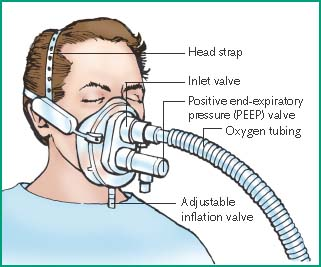
Face masks cover the nose and mouth and provide higher oxygen concentrations than nasal cannulas. Types include:
- Simple face mask
- Partial rebreather mask
- Non-rebreather mask
Face Tent
Face tents are alternatives for patients who poorly tolerate masks. They deliver oxygen concentrations ranging from 30% to 50% at flow rates of 4–8 L/min.
Partial Rebreather Mask
A face mask with an attached reservoir bag that provides higher oxygen concentrations (60–90% FiO2).
Oxygen Tent
Commonly used for pediatric patients requiring a humidified oxygen-rich environment.
Transtracheal Catheter
A catheter inserted directly into the trachea through a surgical opening for long-term oxygen therapy.
High-Flow Systems
Venturi Mask
Provides precise and consistent oxygen concentrations and is especially useful for COPD patients.
Non-Rebreather Mask
Delivers very high oxygen concentrations (up to 100% FiO2) at 10–15 L/min.
High-Flow Nasal Cannula (HFNC)
Provides warmed and humidified oxygen at high flow rates and is commonly used in acute respiratory failure.
Mechanical Ventilator
A machine that assists or replaces spontaneous breathing in critically ill patients.
Steps in Administering Oxygen by Cannula, Face Mask, or Face Tent
Assessment
- Assess patient’s skin and mucous membrane color.
- Assess patient’s breathing patterns.
- Assess patient’s chest movements.
- Assess patient’s chest wall configuration.
- Auscultate patient’s lung sounds.
- Assess presence of clinical signs of hypoxemia.
- Assess presence of clinical signs of hypercarbia (hypercapnia).
- Monitor patient’s vital signs.
- Determine whether the patient has COPD.
- Determine results of diagnostic studies.
- Determine patient’s hemoglobin, hematocrit, and complete blood count.
- Determine patient’s oxygen saturation levels.
- Determine patient’s arterial blood gas levels.
- Determine patient’s pulmonary function tests.