
Anti-cancer drugs for ophthalmic use play a vital role in the management of eye tumors, ocular surface neoplasia, and intraocular malignancies. These medications are specially formulated for topical, periocular, intravitreal, or systemic administration depending on the type and stage of the disease. In ophthalmology, chemotherapy helps preserve vision, control tumor growth, and reduce the need for invasive surgery.
1. Mitomycin-C (MMC)
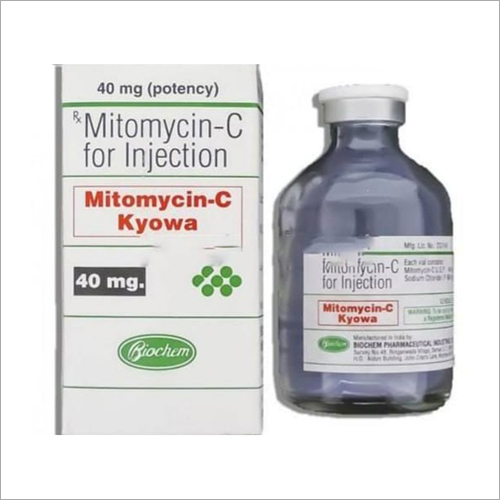
Mitomycin-C is an alkylating antineoplastic antibiotic widely used in ophthalmology, especially for ocular surface tumors. It inhibits DNA synthesis, preventing cancer cell proliferation. MMC is commonly applied topically in cycles under specialist supervision.
Clinical Uses
Ocular Surface Squamous Neoplasia (OSSN)
Conjunctival intraepithelial neoplasia
Adjunct therapy after pterygium excision (to prevent recurrence)
Conjunctival melanoma (adjunctive)
Key Points
Usually prepared in concentrations of 0.02%–0.04%
Applied in cycles (1–2 weeks on/off)
Requires monitoring for corneal toxicity
Can cause irritation, epitheliopathy, or limbal stem cell deficiency
2. 5-Fluorouracil (5-FU)
5-Fluorouracil (5-FU) is an antimetabolite that interferes with DNA synthesis by inhibiting thymidylate synthase. It is commonly used as a topical chemotherapy agent for ocular surface malignancies.
Clinical Uses
Ocular Surface Squamous Neoplasia (OSSN)
Conjunctival carcinoma in situ
Adjunct in glaucoma filtering surgery (to prevent scarring)
Key Points
Typically used as 1% topical drops
Applied in cycles similar to Mitomycin-C
Less toxic than MMC but still requires follow-up
Side effects include redness, irritation, and punctate keratitis
3. Interferon Alpha-2b
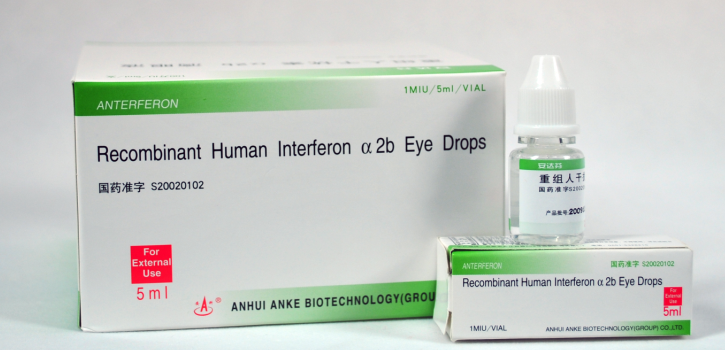
Clinical Uses
Ocular Surface Squamous Neoplasia
Conjunctival papilloma
Early conjunctival melanoma (adjunctive)
Key Points
Available as topical drops or subconjunctival injections
Fewer ocular surface side effects compared to MMC
Longer treatment duration (may take several weeks to months)
Minimal systemic absorption
4. Melphalan (Intravitreal Chemotherapy)
Clinical Uses
Retinoblastoma with vitreous seeding
Recurrent intraocular tumors
Key Points
Administered via intravitreal injection
Requires strict safety protocol to prevent extraocular spread
Can cause retinal toxicity if dosage is excessive
Highly effective in globe salvage therapy
5. Carboplatin

Clinical Uses
Retinoblastoma (systemic chemotherapy)
Intra-arterial chemotherapy protocols
Key Points
Often combined with vincristine and etoposide
Requires monitoring for bone marrow suppression
Effective in tumor size reduction
Helps avoid enucleation in early stages
6. Topotecan
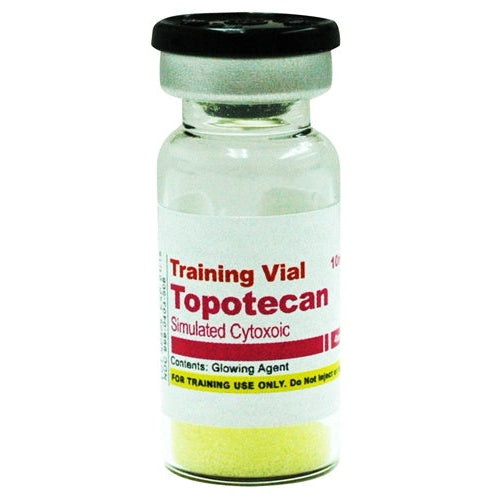
Clinical Uses
Advanced retinoblastoma
Refractory vitreous seeds
Key Points
Alternative to melphalan in selected cases
Used in combination chemotherapy
Requires hematologic monitoring
Improves ocular salvage rates
Conclusion
Anti-cancer drugs for ophthalmic use are essential in modern ocular oncology. From topical agents like Mitomycin-C and 5-Fluorouracil to intravitreal chemotherapy such as Melphalan, these medications provide effective tumor control while preserving vision. Early diagnosis and specialist-guided therapy significantly improve outcomes in conditions like ocular surface neoplasia and retinoblastoma.
For optimal results, all treatments must be administered under the supervision of an ophthalmologist specialized in ocular oncology.