
Autacoids are locally acting endogenous substances that function as short-lived biological mediators. The term “autacoid” means self-remedy, highlighting their ability to regulate physiological and pathological processes at the site of synthesis.
Unlike hormones that circulate systemically, autacoids:
- Act locally
- Have short duration of action
- Are rapidly metabolized
- Play major roles in inflammation, allergy, gastric secretion, vascular tone, and pain
They are critically important in understanding inflammation, hypersensitivity reactions, asthma, shock, and gastrointestinal disorders.
Classification of Autacoids
Autacoids are broadly divided into:
- Amines (Histamine, Serotonin)
- Peptide autacoids (Bradykinin)
- Lipid-derived autacoids (Prostaglandins, Leukotrienes, Thromboxanes)
- Gaseous mediators (Nitric Oxide)
1. Histamine
Source
Stored in mast cells and basophils
Released during allergic reactions and tissue injury
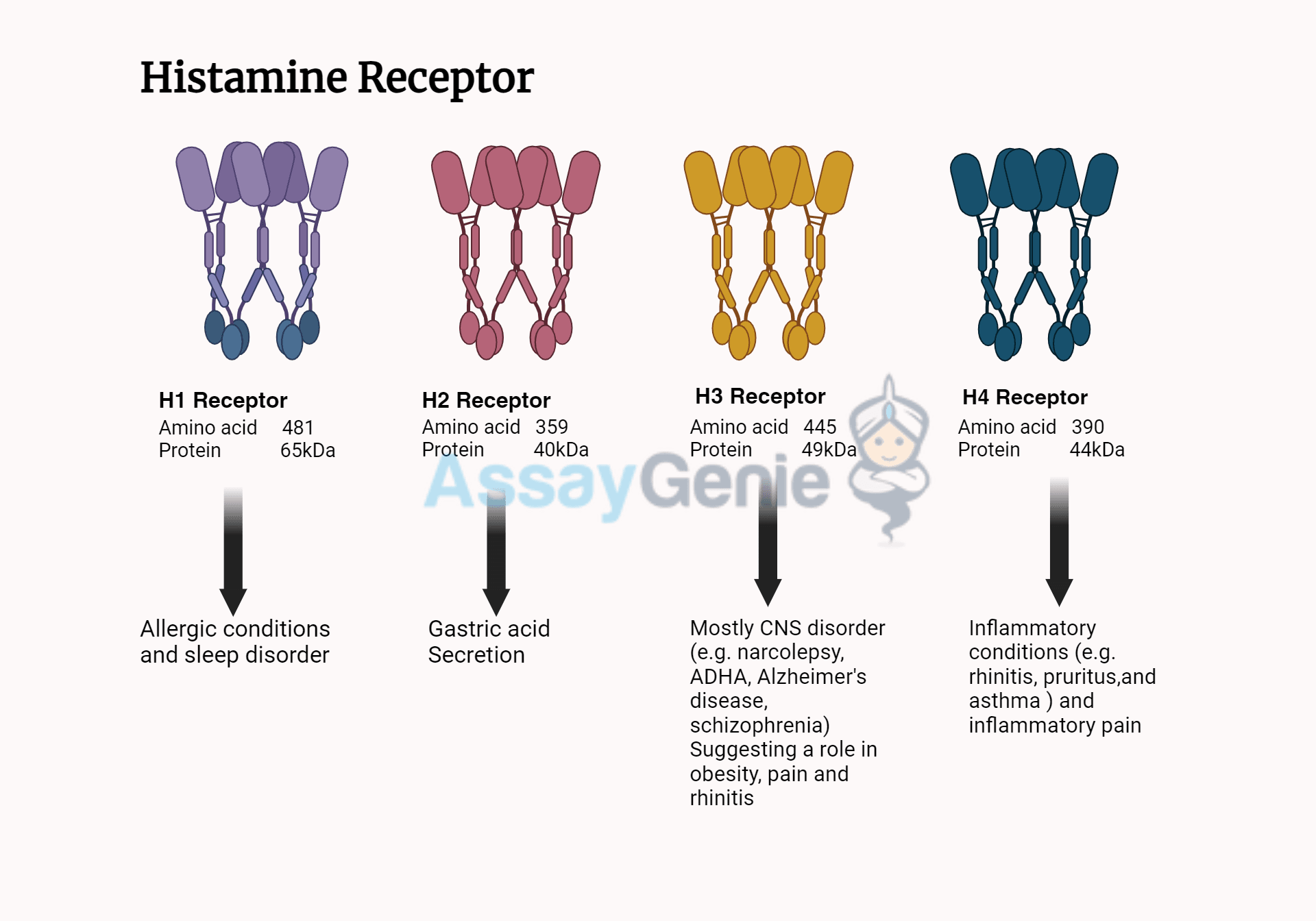
Receptor Types
H1 – Allergy, bronchoconstriction, vasodilation
H2 – Gastric acid secretion
H3 – CNS regulation
H4 – Immune modulation
Mechanism of Action
Histamine binds to G-protein coupled receptors leading to:
Increased vascular permeability
Smooth muscle contraction
Increased gastric acid secretion
Clinical Importance
H1 blockers → Allergy treatment
H2 blockers → Peptic ulcer disease
Major role in anaphylaxis
2. Serotonin (5-Hydroxytryptamine)
Source
- Enterochromaffin cells (GIT)
- Platelets
- Central nervous system
Receptors
Multiple subtypes (5-HT1 to 5-HT7), mostly GPCRs.
Physiological Roles
- Mood regulation
- Gastrointestinal motility
- Platelet aggregation
- Vasoconstriction
Clinical Relevance
- Triptans → Migraine
- SSRIs → Depression
- 5-HT3 antagonists → Anti-emetic drugs
3. Prostaglandins & Thromboxanes

Origin
Derived from arachidonic acid via cyclooxygenase (COX) pathway.
Functions
- Fever
- Pain
- Inflammation
- Gastric protection
- Uterine contraction
- Platelet aggregation (Thromboxane A2)
Clinical Significance
- NSAIDs inhibit COX enzymes
- COX-2 inhibitors reduce inflammation
- Prostaglandin analogues used in glaucoma and obstetrics
4. Leukotrienes
 Origin
Produced via lipoxygenase pathway from arachidonic acid.
Functions
- Bronchoconstriction
- Increased vascular permeability
- Mucus secretion
Clinical Importance
- Major mediators in asthma
- Leukotriene receptor antagonists used in asthma management
5. Bradykinin
 Source
Formed from kininogen via kallikrein.
Effects
- Vasodilation
- Pain sensation
- Increased permeability
- Hypotension
Clinical Correlation
ACE inhibitors increase bradykinin levels → cough & angioedema.
6. Nitric Oxide (NO)
Synthesis
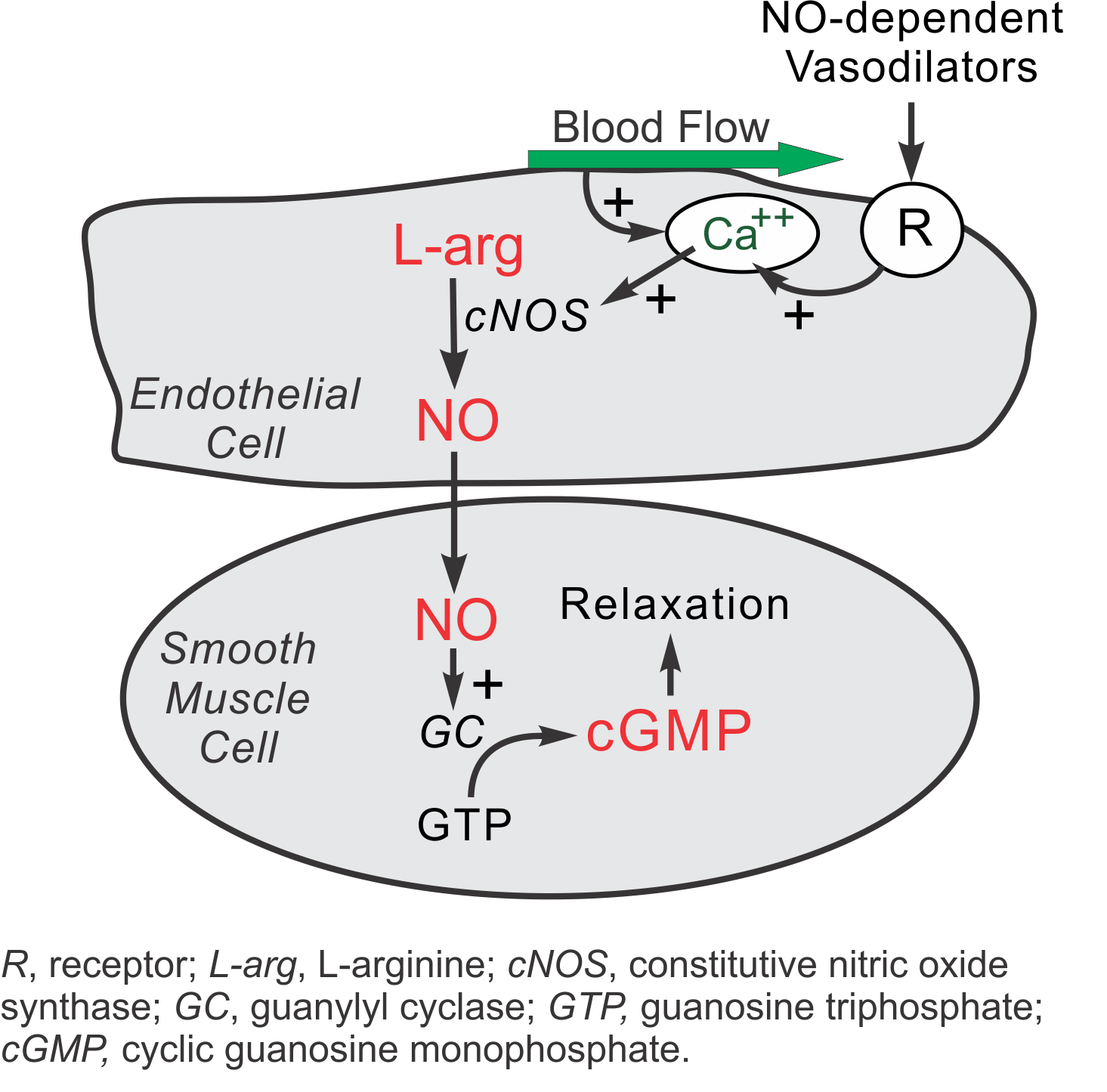
Produced from L-arginine by nitric oxide synthase (NOS).
Mechanism
Activates guanylyl cyclase → increases cGMP → smooth muscle relaxation.
Physiological Role
Vasodilation
Neurotransmission
Platelet inhibition
Clinical Applications
Nitrates in angina
Sildenafil enhances NO pathway
Role of Autacoids in Inflammation
Autacoids are central mediators in inflammation:
- Histamine → Early phase response
- Prostaglandins → Pain & fever
- Leukotrienes → Bronchospasm
- Bradykinin → Pain & edema
Their coordinated release produces redness, swelling, heat, and pain.
Drug Interaction and Autacoids
Autacoids interact pharmacodynamically with many drug classes:
- NSAIDs reduce prostaglandin synthesis
- Antihistamines block H1 receptors
- Leukotriene antagonists reduce asthma severity
- ACE inhibitors increase bradykinin
- Nitrates enhance nitric oxide signaling
Understanding these interactions prevents adverse effects and improves therapeutic outcomes.
Clinical Importance for Medical & OT Students
Knowledge of autacoids is crucial in:
Managing allergic reactions
Treating asthma
Handling anaphylaxis in operation theatre
Controlling inflammation and pain
Understanding shock mechanisms
In anesthesia and emergency medicine, autacoid imbalance can be life-threatening.
Summary
Autacoids are powerful local mediators involved in:
- Allergy
- Inflammation
- Pain
- Vascular regulation
- Gastric secretion
- CNS function
Their pharmacology forms the foundation for understanding antihistamines, NSAIDs, anti-asthmatics, antidepressants, and cardiovascular drugs.
Mastery of autacoids enables safe prescribing, rational drug selection, and improved patient care.