
Introduction
If you’ve ever been inside an operation theatre—or even seen a simple wound being closed—you already know how important sutures are.
But here’s the thing: sutures are more than just “threads used to close wounds.” They’re a critical part of healing, and using the right type in the right way can make a huge difference in recovery, scarring, and infection risk.
Whether you’re a beginner trying to understand the basics or a medical student preparing for exams, this guide will walk you through everything you actually need to know about surgical sutures—clearly and practically.
What Are Surgical Sutures?
A surgical suture is basically a sterile thread used to close wounds or surgical incisions.
Think of it like this:
When tissue is cut or injured, the body needs time to heal.
Sutures hold the edges together during that time.
Why Do We Use Sutures?
To close wounds properly
To stop bleeding
To reduce infection risk
To support healing tissue
To improve cosmetic results (less scarring)
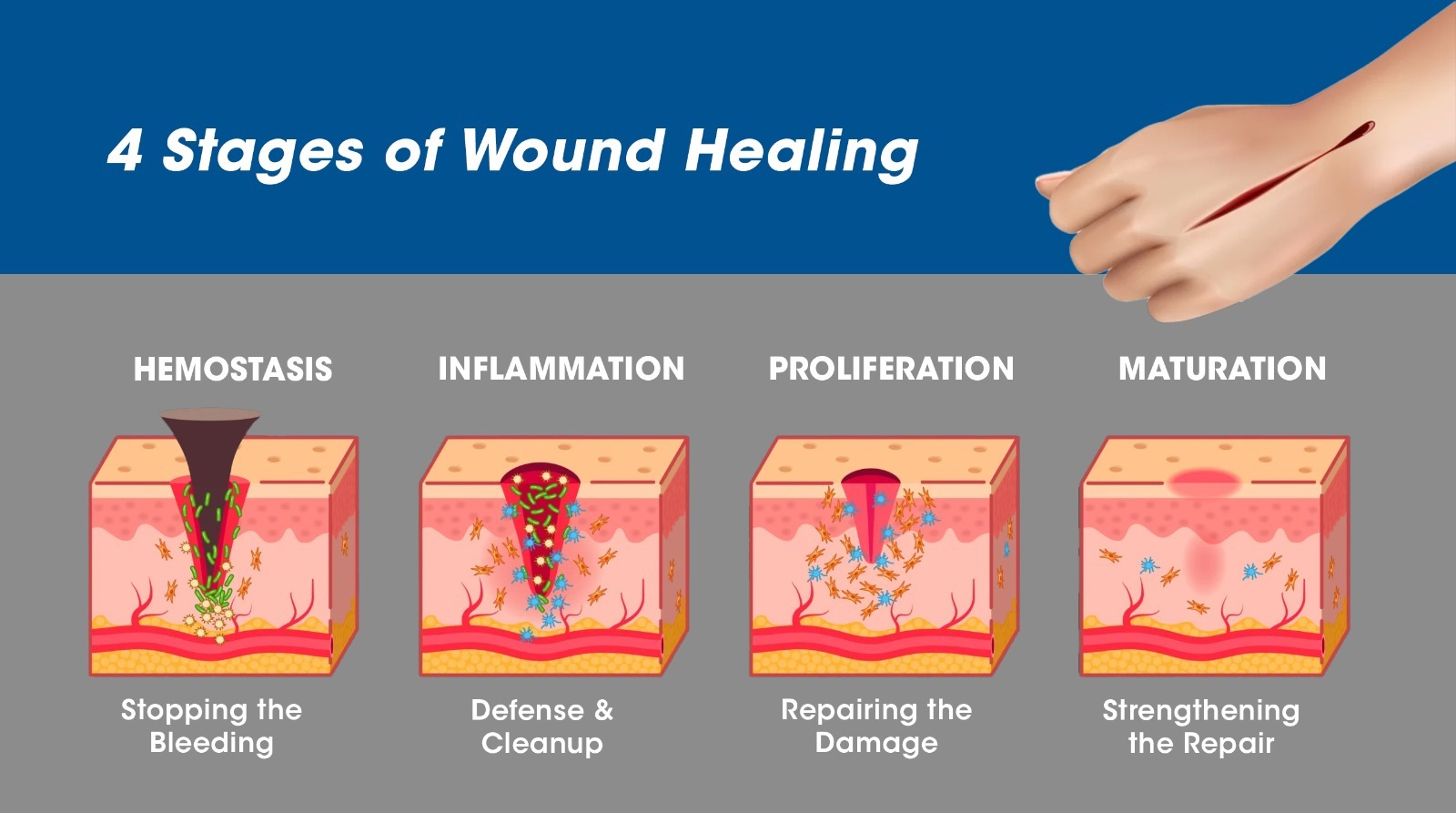
Before Sutures: How Wounds Actually Heal?
To really understand sutures, you need a basic idea of healing.
Your body heals in stages:
Hemostasis – bleeding stops
Inflammation – body fights bacteria
Proliferation – new tissue forms
Remodeling – tissue becomes stronger
Types of Sutures
1. Absorbable vs Non-Absorbable
Absorbable Sutures
These disappear inside the body over time.
No need to remove them.
Common examples:
- Vicryl
- Monocryl
- PDS
Used for:
Internal tissues
Muscles
Mucosa
Non-Absorbable Sutures
These stay in the body (or are removed later).
Common examples:
Nylon
Prolene
Silk
Used for:
Skin closure
Areas needing long-term strength
2. Monofilament vs Multifilament
Monofilament
Single smooth thread
Less chance of infection
Slightly harder to tie
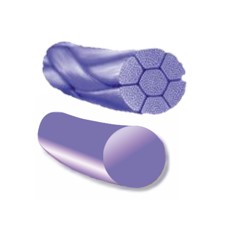
Multifilament (Braided)
Made of multiple fibers
Easier to handle
Higher infection risk
Suture Sizes
> Rule: More zeros = thinner suture
| Suture Size (USP) | Tissue Type | Where It Is Used (Examples) |
|---|---|---|
| 2, 1 | Very strong tissues | Abdominal wall closure, orthopedic surgery (tendon repair), heavy fascia |
| 0 | Strong fascia | Closure of fascia (e.g., linea alba), hernia repair |
| 2-0 | Muscle, deep tissues | Muscle approximation, subcutaneous layer, uterine closure |
| 3-0 | General soft tissue | Skin (trunk), scalp wounds, bowel anastomosis |
| 4-0 | Skin, delicate tissues | Skin (upper limb), hand injuries, ligation of small vessels |
| 5-0 | Fine cosmetic areas | Facial wounds, neck, pediatric skin closure |
| 6-0 | Very delicate tissue | Face (cosmetic), eyelids, plastic surgery |
| 7-0 to 8-0 | Very fine structures | Small blood vessels, microsurgery, nerve repair |
| 9-0 to 10-0 | Extremely delicate | Ophthalmic surgery (cornea), microvascular anastomosis |
Suture Needles Types
1. Based on Shape
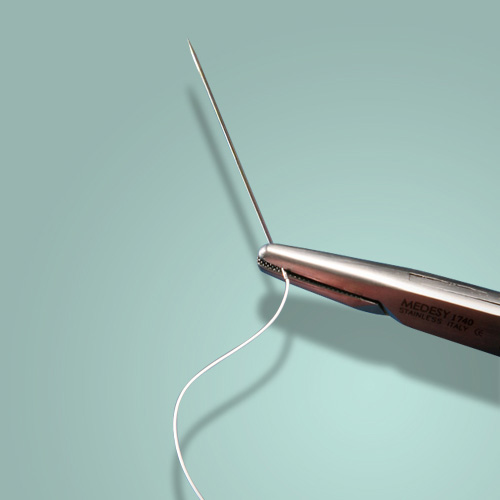
🟢 Straight Needle
- Used with hand sewing (rare in modern surgery)
- Mostly for skin closure in limited settings
- Common in minor procedures
Example:
- Skin suturing in basic wound care
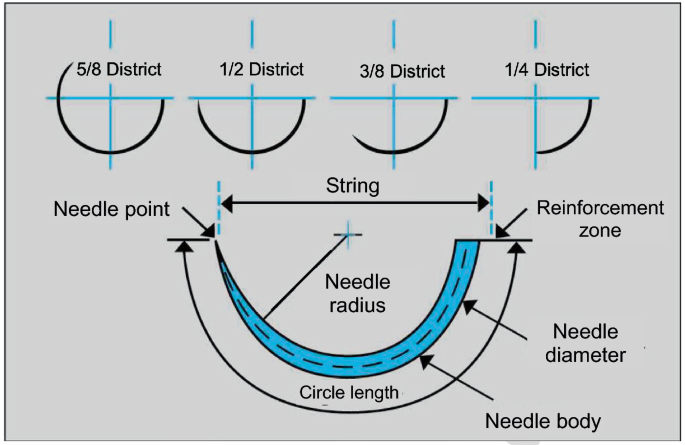
🟢 Curved Needle (MOST COMMON)
- Used in almost all surgical procedures
- Allows better control in deep tissues
| Type | Description | Use |
|---|---|---|
| 1/4 circle | Very delicate areas | Eye surgery |
| 3/8 circle | Most common | Skin & superficial tissues |
| 1/2 circle | Deep tissues | Abdomen, muscle |
| 5/8 circle | Very deep/narrow spaces | Pelvis |
2. Based on Needle Tip
Cutting needle → for skin
Taper needle → for soft tissue
Reverse cutting → stronger, safer for skin
Blunt needle → fragile organs
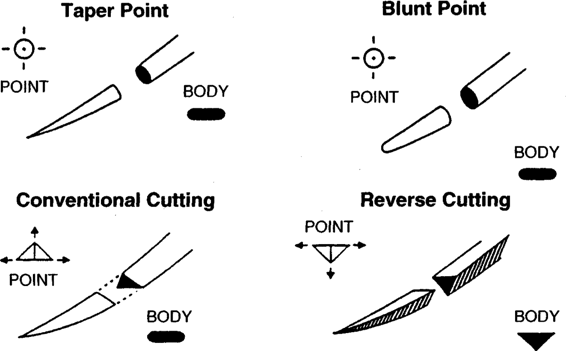
Needle Selection
Choosing a needle depends on:
1. Tissue type
- Skin → Cutting / Reverse cutting
- Intestine → Taper
- Liver → Blunt
2. Depth of tissue
- Superficial → 3/8 circle
- Deep → 1/2 circle
3. Fragility of tissue
- Strong tissue → Cutting
- Fragile tissue → Taper/Blunt
Common Suturing Techniques
Interrupted Sutures
Each stitch is separate
Very secure
Takes more time

Best when wound strength matters
Continuous Sutures
One long running stitch
Faster

But if it breaks, the whole closure can fail
Mattress Sutures
Used when the wound is under tension
Types:
Vertical → better healing alignment
Horizontal → distributes pressure

Subcuticular Sutures
Hidden under the skin
Best for cosmetic results

Choosing the Right Suture (Real Clinical Thinking)
This is where theory meets practice.
Ask yourself:
What tissue am I dealing with?
How fast will it heal?
Is there infection risk?
Do I need cosmetic results?
Simple Examples:
Skin → Nylon
Intestine → Vicryl
Fascia → PDS
Blood vessels → Prolene
When Do You Remove Sutures?
Timing matters a lot.
Face → 3–5 days
Scalp → 7–10 days
Body → 10–14 days
Legs → up to 14 days
Removing too early = wound opens
Removing too late = marks/scarring
Complications
Even a simple suture can go wrong if not done properly.
Early Problems:
Infection
Bleeding
Swelling
Later Problems:
Scarring
Suture granuloma
Wound opening (dehiscence)
Modern Sutures
Medicine keeps evolving:
Barbed sutures → no knots needed
Antibacterial sutures → reduce infection
Skin glue → quick and scar-friendly
Staples → fast in emergency cases
Tips
Always maintain sterile technique
Don’t tie sutures too tight (can damage tissue)
Evert wound edges (helps healing)
Choose suture based on tissue—not habit
Practice knot tying regularly